Introduction
In today's globalized world, the requirement for academic credential assessments has ended up being increasingly essential. Whether you're a global trainee seeking to enhance your studies or a professional looking for recognition for your certifications, understanding the nuances of scholastic assessment is important. This short article delves into 2 popular types of evaluations: Course-by-Course Evaluations and General Equivalency By comparing these techniques, we intend to direct you in making an informed decision about which course matches your requirements best.
What is Academic Credential Evaluation?
Academic credential assessment is a methodical procedure where instructional credentials are evaluated to identify their equivalence in another educational system. This is especially important for people looking for admission to foreign organizations or requesting jobs that require specific qualifications.
Why is It Important?
The significance of scholastic credential assessment can not be overstated. It serves several purposes:
Validation of Qualifications: Makes sure that your degrees and diplomas are recognized and valued in another country. Facilitating Work Opportunities: Employers typically require validation of foreign qualifications before considering candidates for positions. Academic Admissions: Many universities mandate evaluations to establish eligibility for programs.Types of Academic Credential Examination Services
There are numerous services readily available, however they generally fall into two primary classifications: Course-by-Course Evaluations and General Equivalency Each serves distinct functions based upon the candidate's needs.
Course-by-Course Evaluations vs General Equivalency: Choosing the Right Path
When it comes to choosing between course-by-course assessments and basic equivalency, one must consider several elements consisting of specific objectives, type of institution or company requirements, and specific academic backgrounds.
Understanding Course-by-Course Evaluations
A course-by-course assessment breaks down each course taken during your studies, evaluating its equivalence to courses provided in the host nation's education system. These assessments supply in-depth insights into private subjects, grades got, and credit hours earned.
Benefits of Course-by-Course Evaluations
- Detailed Analysis: Provides a detailed view of all coursework completed. Specificity for Admissions: Ideal for students using to competitive programs requiring exact course equivalencies. Enhanced Task Prospects: Employers may prefer prospects with comprehensive examinations that display their coursework.
Who Should Opt for Course-by-Course Evaluations?
If you're preparing to use to graduate programs or specialized accreditation courses that require specific requirements, then a course-by-course examination might be the perfect choice.
What is General Equivalency?
On the other hand, basic equivalency examines a degree or diploma as a whole rather than diving into private courses. It normally compares an entire curriculum against developed standards in another country.
Advantages of General Equivalency
- Simplified Process: Generally quicker and includes less documentation compared to course-by-course evaluations. Cost-Effective: Frequently more affordable due to decreased complexity. Sufficient for Most Jobs: Many companies only require evidence of degree without needing information on particular coursework.
Who Needs to Choose General Equivalency?
If you're taking a look at job chances that do not require accurate course information or if you're applying for more education that accepts general degrees, then basic equivalency may be all you need.
Key Distinctions Between Course-by-Course Evaluations and General Equivalency
|Requirements|Course-by-Course Evaluations|General Equivalency|| ----------------------------------|-----------------------------------------|----------------------------------------|| Detail Level|High|Low|| Time Required|Longer|Shorter|| Expense|Greater|Lower|| Function|Particular admissions & & employment|General admissions & & employment|| Usage Case|Graduate programs & & specialized fields|Most undergraduate & & general jobs|
The Role of International Credential Assessment Services
When navigating through these examination processes, it's vital to engage with reliable global credential evaluation services. These companies concentrate on assessing foreign instructional qualifications based upon standardized criteria.
Choosing the Right Assessment Service Provider
When choosing an evaluation company, think about:
Accreditation: Ensure they are recognized by relevant authorities. Experience: Look for suppliers with substantial experience in managing different instructional systems. Customer Reviews: Examine testimonials from previous clients regarding their experiences.Work Experience Assessment as an Additional Option
In addition to formal education evaluations, work experience evaluations can likewise play an important function in establishing credentials-- specifically when it comes to employment opportunities abroad.
What is Work Experience Evaluation?
Work experience examination assesses your professional background in relation to specific job roles and responsibilities within various industries across varying countries.
Importance of Work Experience Evaluation
- Validates practical abilities gotten through work. Enhances employability by showcasing real-world applications of knowledge.
How Does It Enhance Academic Evaluations?
Pairing work experience assessment with academic credential assessments can offer an extensive introduction that appeals to companies trying to find well-rounded candidates with both theoretical understanding and useful application skills.
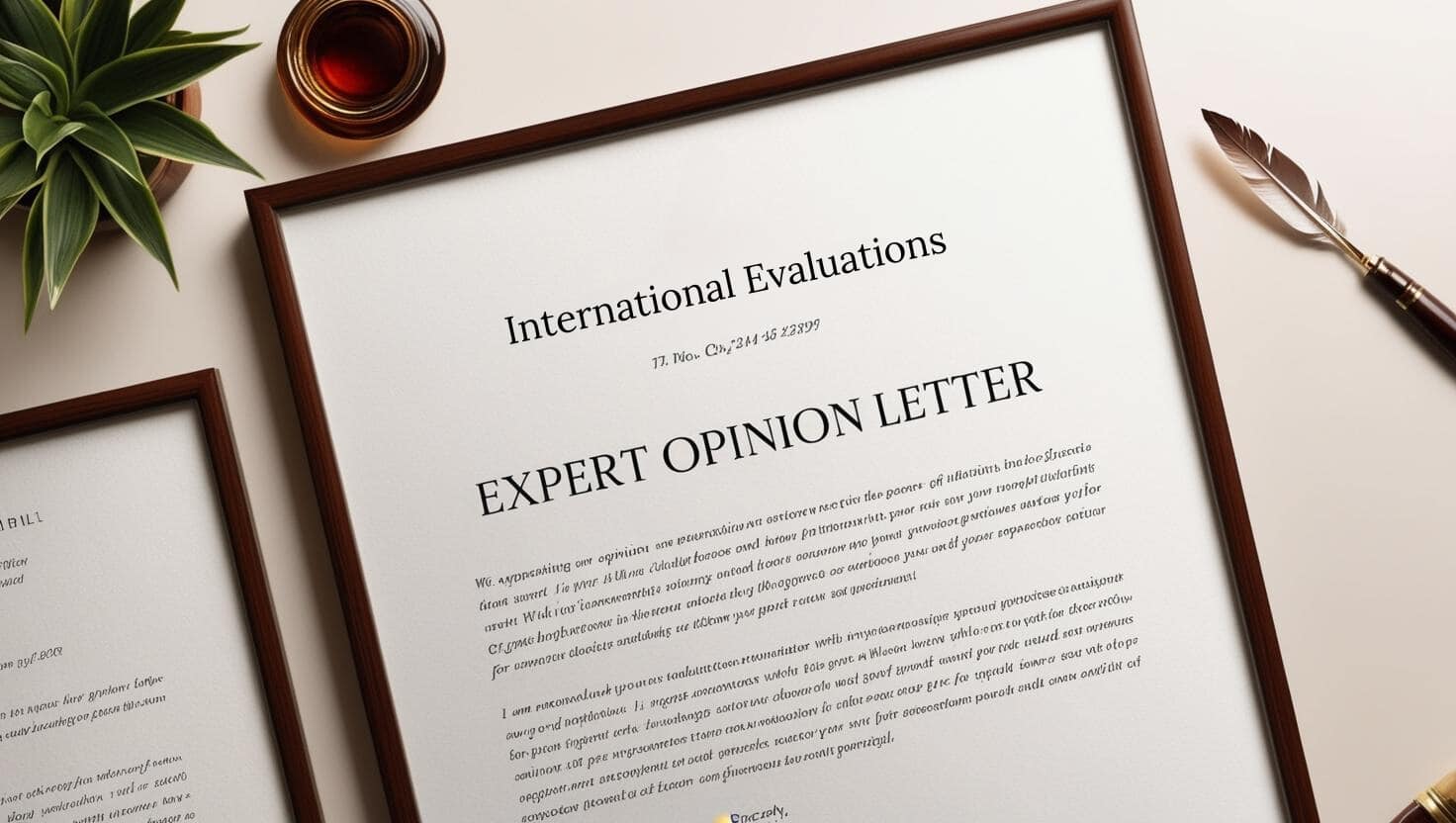
Expert Viewpoint Letter as a Valuable Asset
A professional opinion letter complements both scholastic and work experience assessments by offering professional insight into the credibility https://squareblogs.net/usnaerobip/course-by-course-credential-examination-a-detailed-technique and significance of your qualifications based upon market standards.
What is a Specialist Viewpoint Letter?
A professional viewpoint letter works as a formal file authored by experts who examine your instructional background versus industry standards.
Benefits consist of:
- Validating non-traditional education courses such as online courses or certifications. Offering customized insights that enhance your application package.
FAQs about Credential Evaluation
1. What kind of evaluation do I need?
It depends upon your objectives! If you're making an application for graduate school or specialized jobs needing specific courses, choose course-by-course evaluations. For basic task applications or undergraduate admissions, basic equivalency may suffice.
2. The length of time does the assessment process take?
Typically, course-by-course assessments take longer due to their comprehensive nature-- frequently several weeks-- while general equivalencies can be finished quicker if adequate paperwork is provided.
3. Exist any costs connected with these evaluations?
Yes! The costs differ substantially in between providers however normally variety from $100-$500 depending on the intricacy required (course details vs total degree).
4. Can I use one assessment type for numerous purposes?
While one examination might serve numerous functions (like entering school and finding a task), make sure it meets each entity's requirements; some colleges or companies define which type they accept!
5. Do I require initial files when applying?
Most services will require verified copies; nevertheless, always confirm with the chosen evaluator as policies vary across organizations!
6. Is it possible to appeal an unfavorable assessment?
Yes! If you think there was an error in processing your application - numerous organizations allow appeals where recorded proof can support claims!
Conclusion
Navigating through academic credential evaluations can at first seem daunting; nevertheless, understanding the distinctions in between course-by-course evaluations and basic equivalency streamlines this procedure considerably. Each has its special benefits customized towards different requirements-- whether you're going for college admission or pursuing profession opportunities abroad.
As globalization continues its unrelenting advance and more people look for acknowledgment across borders, keeping up with such evaluative processes will empower students and professionals alike in accomplishing their goals successfully while improving their employability potential customers globally!
Ultimately, whether you select course-by-course evaluations or select general equivalency hinges on individual goals-- the key takeaway being comprehensive research combined with informed decision-making will lead you down the right path!